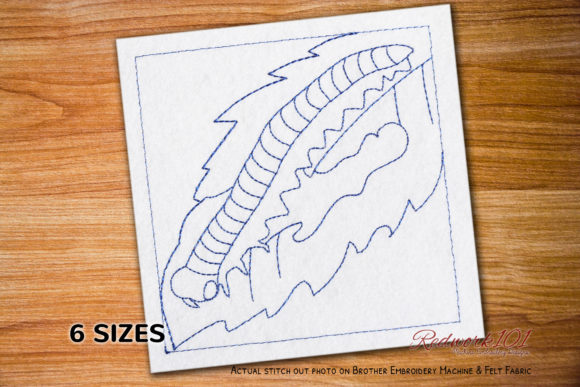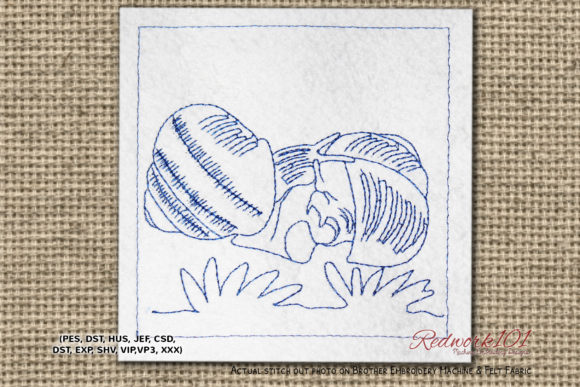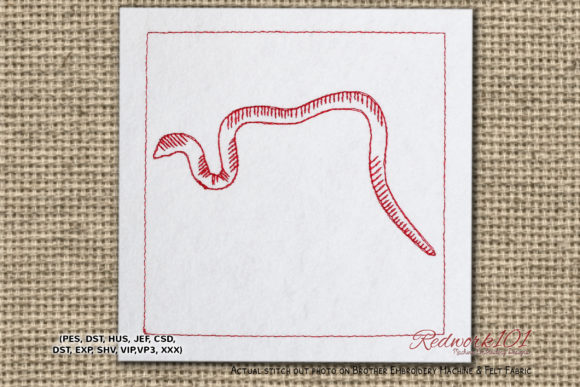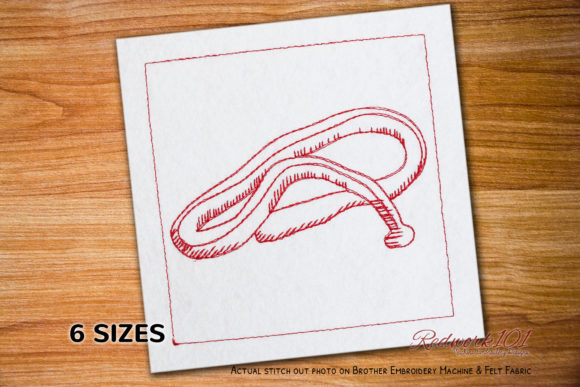
Oak Worm Bluework Review
As an experienced embroidery designer, I’ve evaluated countless machine embroidery designs for small business use. Oak Worm Bluework stands out as a unique and versatile option, especially for brands targeting creative, nature-inspired, or whimsical audiences. The design’s redwork aesthetic, combined with the optional Box Stitch, offers flexibility in both visual style and application. Whether you're looking to create embroidered patches, custom apparel, or branded merchandise, this design has potential—but it also requires careful consideration for optimal results.
First Impressions: A Design That Speaks to Craft and Creativity
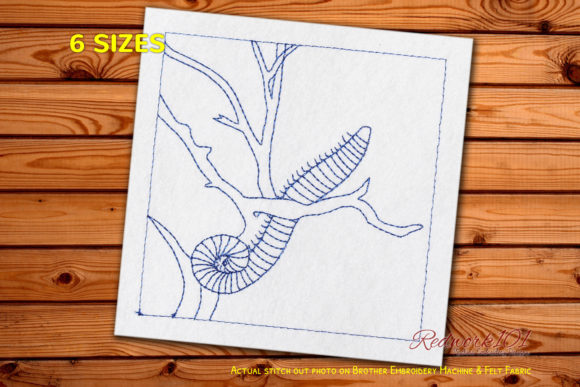
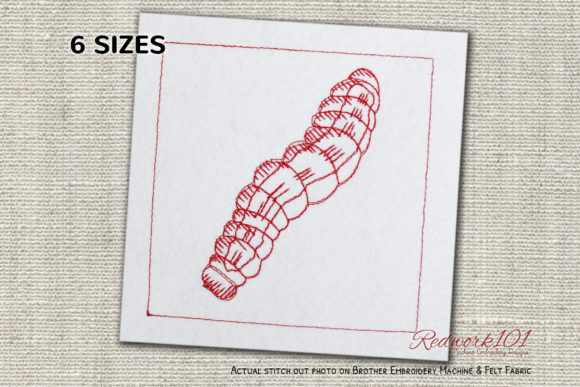
From the first glance, Oak Worm Bluework feels like a handmade product. Its redwork style evokes a rustic, artisanal charm that aligns well with small businesses focused on craftsmanship, eco-friendly branding, or vintage aesthetics. The color of the outer box varies in most designs, which adds a layer of customization. However, if the box is not part of the design itself, it can be omitted—giving you more control over the final look.
The design’s bold lines and simple shapes make it immediately recognizable, while its playful yet professional tone suits a wide range of industries. For a boutique, café, or handmade shop, this could serve as a signature element that reinforces brand identity without overwhelming the overall look.
Real-World Use: Where Oak Worm Bluework Shines
When used in real business applications, Oak Worm Bluework excels as an embroidered patch, chest logo accent, or sleeve detail. It works particularly well on tote bags, aprons, and work shirts where a subtle but distinctive mark is needed. Its simplicity makes it ideal for staff uniforms or event merch, where clarity and consistency are key.
This design also pairs well with other design assets, making it a great addition to printable mockups and commercial embroidery projects. For Etsy sellers or craft businesses, it can be used as a branded product add-on or customer gift, enhancing the perceived value of handmade products.
For small business merch, the design’s visual personality helps build customer trust and recognition. When applied consistently across different items, it creates a cohesive brand image that feels premium and professional.
Where to Use Oak Worm Bluework Carefully
While Oak Worm Bluework is adaptable, there are scenarios where it may not perform as well. At small patch sizes, the details can become too intricate, leading to a loss of clarity. Similarly, on cap fronts or curved surfaces, the design might appear distorted unless properly adjusted.
High stitch density can also be an issue, especially on textured fabrics or dark uniforms. If the thread colors don’t contrast well, the design may not stand out as intended. Tiny lettering or detailed outlines may require simplification to maintain quality during the embroidery process.
It’s important to test the design on real fabric before mass production. Using the correct stabilizer and confirming the hoop size will help ensure a clean finished product, especially when working with delicate or stretchy materials.
Impact on Brand Identity and Customer Engagement
Brand identity is one of the most critical factors in small business success, and Oak Worm Bluework can play a role in shaping that identity. Its friendly yet professional appearance makes it suitable for businesses aiming to connect with customers on an emotional level. Whether it’s a local bakery or a pet brand, the design can reinforce a sense of authenticity and care.
Visual consistency is another benefit. When used across multiple touchpoints—such as product packaging, apron embroidery, or tote bag design—it helps customers recognize and remember your brand. This consistency builds trust and increases the likelihood of repeat purchases.
For buyers, the design’s handmade feel can enhance engagement. Customers often appreciate the effort and artistry behind embroidered items, and Oak Worm Bluework’s aesthetic can make your products stand out in a crowded market.
Practical Tips for Embroidery Designers
Before finalizing any project, I recommend testing Oak Worm Bluework in black and white to assess how it looks on different fabrics. Check if it works at small patch sizes, and review the thread color contrast to ensure visibility. Pay attention to spacing and confirm the hoop size required for your machine.
Always test on real fabric and use the appropriate stabilizer to prevent puckering or distortion. Create a printable mockup for client approval, and compare the design beside other design assets to ensure it fits within your overall brand strategy.
Finally, confirm the commercial licensing terms before using the design for business purposes. While the product description mentions that the Box Stitch is optional and the outer box color can be adjusted, specific details like stitch count, file format, and hoop size should be verified directly with the seller.
Conclusion: A Versatile Design for Creative Businesses
Oak Worm Bluework is a compelling choice for small businesses looking to add a unique, handcrafted touch to their merchandise. Its balance of simplicity and character makes it suitable for a variety of applications, from embroidered patches to custom apparel. However, its performance depends on proper execution, including attention to stitch density, fabric texture, and design scaling.
For embroidery shops, apparel decorators, and handmade brands, this design offers a creative opportunity to elevate their offerings. With thoughtful implementation, Oak Worm Bluework can become a valuable asset in building a strong, recognizable brand presence.