Land Snail Design Review
First Impressions of Land Snail Design
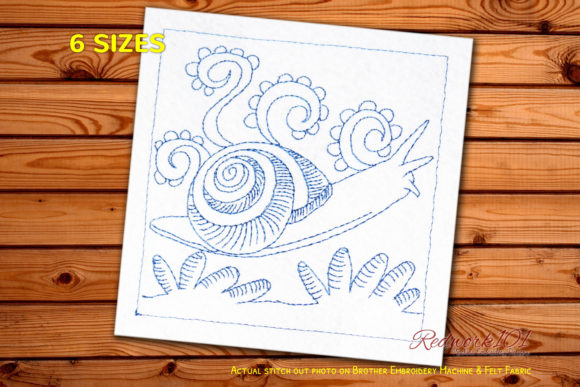
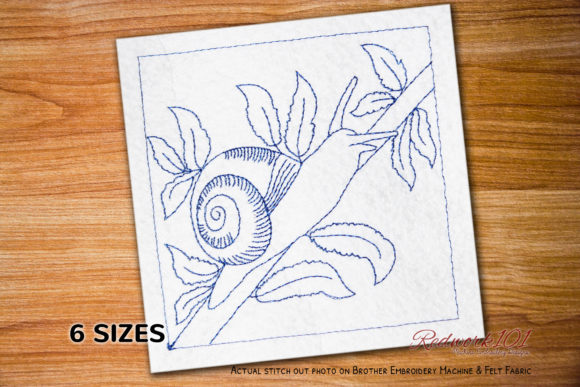
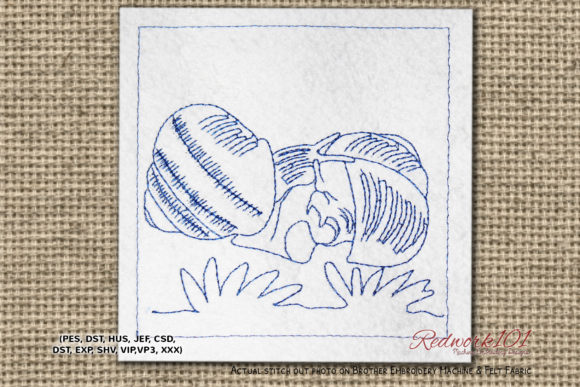
The Land Snail Design immediately catches the eye with its whimsical, nature-inspired aesthetic. The shape is simple yet charming, with a rounded shell and delicate details that suggest a sense of playfulness and organic charm. It’s a design that feels at home in a handmade or artisanal context, especially for those who appreciate subtle, nature-themed embroidery.
The layout is clean and well-proportioned, making it versatile enough to fit on a variety of items. The level of detail is moderate, which means it’s not overly complex but still offers visual interest. This makes it ideal for projects where clarity and simplicity are key, such as custom apparel, baby items, or small accessories.
The theme of the Land Snail Design is unmistakably bug-related, fitting naturally into the Bugs category. However, it avoids being too literal or cartoonish, which could make it feel more timeless and adaptable across different styles and occasions.
Real-Life Embroidery Scenarios
When considering how Land Snail Design would perform in real-life embroidery situations, it’s clear that it’s best suited for projects where the focus is on the design itself rather than intricate background elements. For example, using it on a custom tote bag design or a sweatshirt embroidery project would allow the snail to stand out without being overwhelmed by other patterns.
This design works well on baby clothes, where its soft, approachable look can add a touch of personality without being too bold. It also has potential for holiday embroidery, especially for gifts that have a rustic or natural theme. As an embroidered patch, it could be used on jackets, backpacks, or aprons, adding a subtle yet recognizable element to the garment.
For small shop products or Etsy listings, the Land Snail Design could serve as a unique selling point. Its simplicity allows for easy customization, and its appeal is broad enough to attract a range of customers looking for personalized gifts or handmade products.
Where to Use with Caution
While the Land Snail Design is generally versatile, there are certain scenarios where it may not perform as well. On small hoop sizes, the design might appear cramped or lose some of its detail, especially if the hoop doesn’t accommodate the full size of the snail. This could be an issue for those working on caps or hats, where space is limited.
Textured fabrics or thin, stretchy materials could also pose challenges. The design relies on clear stitch definition, so if the fabric isn’t stable, the embroidery might not look as crisp. Similarly, dark fabrics may require careful selection of thread colors to ensure the snail stands out without blending in.
Dense stitch areas or detailed corners could become problematic if the design isn’t optimized for the specific machine or fabric type. It’s important to test the Land Snail Design on scrap fabric first to see how it looks and behaves before committing to a larger project.
Impact on Visual Appeal and Customer Perception
Land Snail Design adds a touch of personality and charm to any project it’s used on. Its visual appeal lies in its simplicity and the way it balances detail with clarity. This makes it a strong choice for handmade products that aim to connect emotionally with customers.
Stitching clarity is another key factor. If the design is properly executed, it should look clean and professional, which can enhance the perceived value of the finished product. For small business owners or Etsy sellers, this kind of consistency is crucial for building customer trust and repeat business.
As a personalized gift, the Land Snail Design offers a unique and thoughtful option. Its subtle nature makes it suitable for a wide range of recipients, from children to adults, and it can be adapted to fit different color schemes or themes depending on the occasion.
Practical Designer Notes
Before using Land Snail Design on any project, it’s wise to test it on scrap fabric. This will help determine how the stitches look on your specific machine and fabric type. Pay close attention to thread color contrast, especially if you’re using it on dark or light backgrounds.
Reviewing the stitch density is also important. If the design is too dense, it might cause puckering or distortion on certain fabrics. Checking the hoop size ensures that the entire design fits comfortably, avoiding any issues with stitching around the edges.
Inspecting small details like the snail’s shell or the texture of the design can reveal whether it’s suitable for your intended use. Testing it in black and white mockups can help you visualize how it will look on different fabrics and backgrounds.
Using the right stabilizer is essential, especially when working with delicate or stretchy fabrics. Confirming that the design is suitable for both personal and commercial projects is also a good idea, particularly if you plan to sell finished items or digital products.
Finally, always check the licensing terms before using Land Snail Design for commercial purposes. Even though the design itself is appealing, proper permissions are necessary to avoid any legal issues down the line.