Wooden Cross Bluework Review
First Impressions of Wooden Cross Bluework
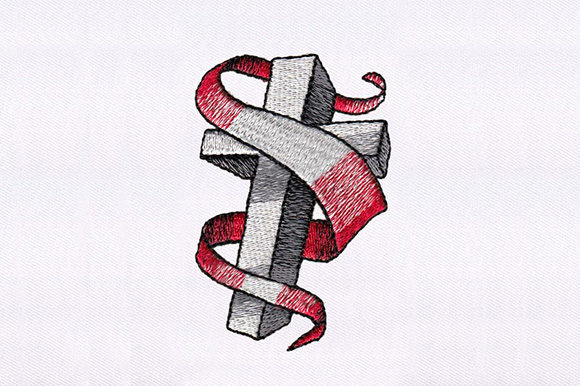
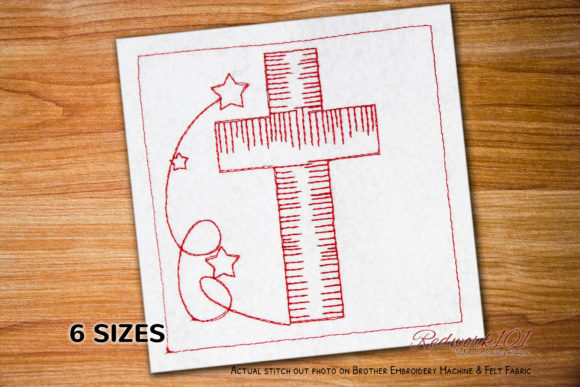
The Wooden Cross Bluework design immediately conveys a sense of timeless elegance and spiritual symbolism. Its clean lines and subtle detailing make it feel professional yet approachable, ideal for businesses looking to convey a message of faith, craftsmanship, or tradition. The optional Box Stitch adds versatility, allowing the design to be adapted for different applications without overwhelming the overall aesthetic.
As an embroidery designer, I appreciate how the design balances simplicity with depth. It feels like a strong addition to any brand identity, especially for small businesses in the religious, handmade, or artisanal sectors. The design’s structure suggests it could work well as a custom apparel accent, embroidered patch, or tote bag design.
Real Business Use of Wooden Cross Bluework
When considering Wooden Cross Bluework for commercial use, its adaptability is a key strength. It can serve as a central motif on apron embroidery, cap embroidery, or staff uniforms. For a small café or boutique, this design could act as a subtle but meaningful brand marker, reinforcing a sense of trust and professionalism.
For small business merch, the design offers a polished look that can elevate product value. Whether used on event merch, customer gifts, or boutique merchandise, it provides visual consistency across multiple touchpoints. As a digital embroidery file, it can be easily scaled and customized to fit different project needs.
In handmade product branding, Wooden Cross Bluework can add a touch of authenticity. It works well on printable mockups for client approval and can be paired with other design assets to create a cohesive visual language.
Where to Use Wooden Cross Bluework Carefully
While Wooden Cross Bluework is versatile, there are certain applications where caution is advised. On small patch sizes, the detail may become too fine, leading to a loss of clarity. Similarly, on cap fronts or curved surfaces, the design might not translate well without adjustments.
High stitch density could cause issues on textured fabric or dark uniforms, where the design may appear less defined. Tiny lettering or intricate outlines may not hold up under frequent washing, so it’s important to test the finished product before mass production.
If the design includes a colored outer box, consider how the thread colors interact with the background. A mismatch could lead to a less professional appearance. Always review the hoop size and stabilizer requirements to ensure the design maintains its integrity during the commercial embroidery process.
Impact on Brand Identity and Customer Trust
Wooden Cross Bluework has the potential to significantly enhance brand identity. Its classic and refined look can communicate values such as sincerity, dedication, and quality. For businesses in the religion or handmade space, this design can help build a stronger emotional connection with customers.
As a custom apparel element, it contributes to a more professional appearance, which can increase customer trust. When used consistently across product packaging accents, apparel, and promotional items, it reinforces brand recognition and creates a memorable impression.
For craft business assets and Etsy branding, the design offers a premium feel that can set a small business apart from competitors. Its presence on apron embroidery or tote bag design can also improve buyer engagement by aligning with the values of the target audience.
Practical Tips for Embroidery Designers
Before finalizing Wooden Cross Bluework for a project, it’s wise to test the machine embroidery design in black and white. This helps assess how the design translates without color distractions. Also, check if it works at a smaller patch size, as scaling down can sometimes affect detail clarity.
Review the thread colors and ensure they contrast well with the fabric. Inspect spacing between elements to avoid overcrowding. Confirm the hoop size required for the design and test it on real fabric to see how it performs under actual conditions.
Use the proper stabilizer for the fabric type, especially when working with delicate or stretchy materials. Create a printable mockup for client approval and compare the design with other design assets to ensure visual harmony. Finally, always confirm commercial licensing before using the digital embroidery file for business purposes.