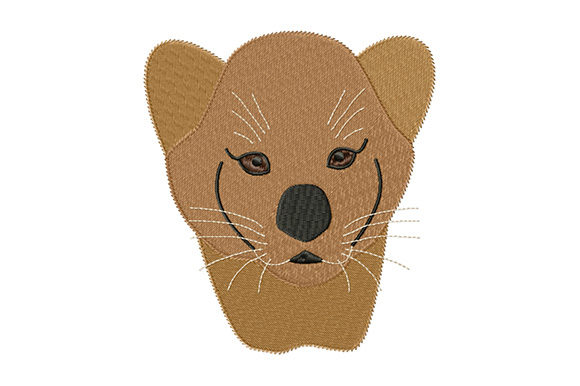
Wild Tiger Face
As an embroidery designer and product reviewer, I often find myself evaluating machine embroidery designs for real-world use. Wild Tiger Face caught my attention not just for its striking visuals, but for how it could translate into a variety of practical projects. From custom apparel to personalized gifts, this design has potential—but like any good embroidery file, it needs the right approach to shine.
The First Impression: A Fierce Statement
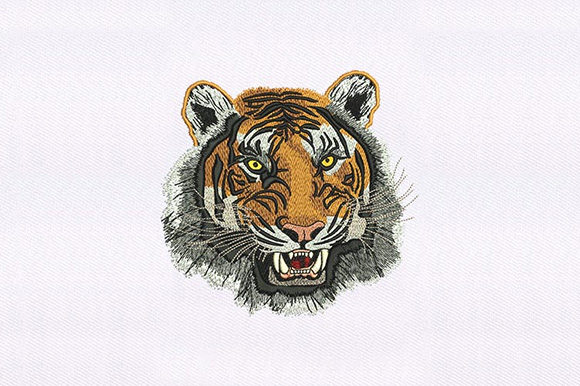
Wild Tiger Face immediately conveys strength and character. The design is detailed enough to stand out without being overwhelming, making it ideal for bold, eye-catching projects. Its layout feels balanced, with the tiger’s face centered and framed by subtle elements that add depth. The visual personality of this design leans toward adventurous, rugged, or even slightly edgy themes—perfect for a range of wild animal-themed embroidery projects.
This isn’t a design that blends in. It demands attention, which can be both a benefit and a challenge depending on the project. For handmade products or commercial items, the right placement and fabric choice are key to ensuring it doesn’t overpower the overall look.
Real-World Embroidery Use Cases
Imagine preparing a custom embroidered tote bag for a client who wants something unique. Wild Tiger Face would make a strong statement on the front, especially if paired with a minimalist background. It also works well as a sweatshirt embroidery, where the detail can come through clearly on a flat surface.
For baby items, this design could be used on onesies or blankets, but I’d recommend testing it on soft, stretchy fabrics first. The stitch density and detail might not be ideal for delicate materials, so a stabilizer is a must. On a patch, Wild Tiger Face could serve as a standout element, especially for outdoor gear or sportswear.
It also fits well into holiday or gift-oriented projects. A personalized cap with this design could be a hit at a craft fair, while a pillow cover featuring Wild Tiger Face might add a dramatic touch to a living room or nursery.
Where to Be Careful: Design Limitations
While Wild Tiger Face is visually compelling, there are situations where it may not perform as well. Small hoop sizes can be problematic, as the design requires enough space to maintain clarity. If you’re working on a curved surface like a cap, the design might stretch or distort slightly, so careful hooping is essential.
Thin or textured fabrics can also pose challenges. The satin stitch and fill areas might not lay flat, especially on lightweight materials. Dark fabrics may require adjusting thread colors for better contrast, and layered garments could cause the design to sit unevenly.
For commercial embroidery projects, it’s important to confirm the licensing terms before selling finished products. While the design itself is impressive, the legal aspects should never be overlooked.
Impact on Visual Appeal and Customer Perception
Wild Tiger Face has the potential to elevate a handmade product from ordinary to extraordinary. Its intricate details and bold composition can increase the perceived value of a finished item, whether it’s a custom t-shirt, a boutique accessory, or a digital product preview.
Customers often respond positively to strong, recognizable designs. A well-executed Wild Tiger Face can create a sense of quality and craftsmanship, which is crucial for Etsy sellers or small shop owners looking to build trust. It also enhances giftability, as the design is both eye-catching and meaningful.
From a branding perspective, this design could help establish a consistent aesthetic for a craft business, especially if it’s part of a larger collection of wild animal-themed embroidery files.
Practical Designer Notes: How to Get the Best Results
Before using Wild Tiger Face on any project, I always recommend testing it on scrap fabric. This helps identify any issues with stitch density, thread color contrast, or fabric compatibility. Pay close attention to the small details—especially if the design includes fine lines or intricate patterns.
When working with dark fabrics, consider using a contrasting thread color to ensure the design stands out. For light backgrounds, a darker thread may provide better visibility. Always use the proper stabilizer, especially when working with stretchy or thin materials.
If you're planning to sell finished products or digital files, double-check the licensing information. Some embroidery files may have restrictions on commercial use, so it’s best to confirm those details before proceeding.
Final Thoughts: A Versatile, Bold Choice
Wild Tiger Face is a design that offers a lot of potential, but it requires thoughtful application. Its strength lies in its ability to command attention, making it perfect for projects that need a strong visual impact. Whether you're creating a custom apparel piece, a personalized gift, or a digital product asset, this design can be a valuable addition to your collection.
As with any machine embroidery design, success depends on how well it’s adapted to the specific project. With the right fabric, hoop size, and stitching technique, Wild Tiger Face can become a standout element in your work. Just remember to test, adjust, and respect the design’s limitations to achieve the best results.