Pilot Suit Lineart Design
First Impressions of Pilot Suit Lineart Design
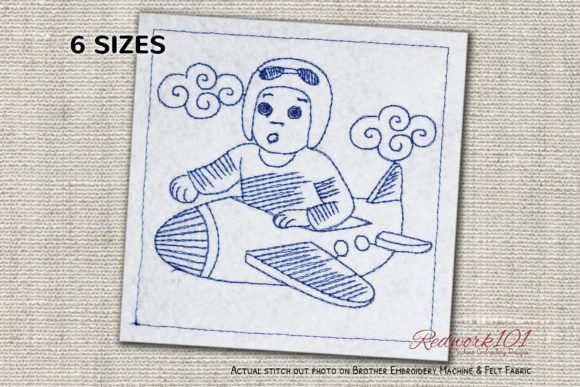
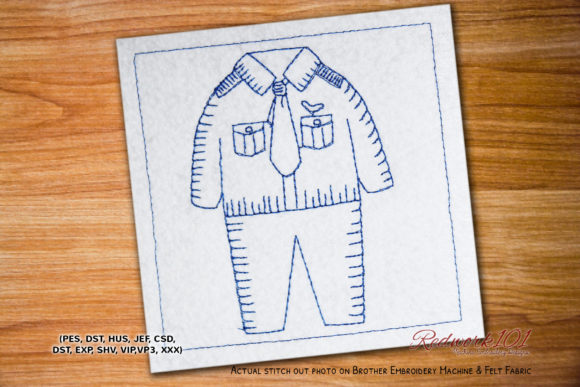
The Pilot Suit Lineart Design exudes a modern, clean aesthetic that feels both professional and approachable. The minimalist line work suggests a focus on clarity and simplicity, making it ideal for craft fair sellers looking to offer something fresh and versatile. It doesn’t scream "farmhouse" or "festive," but its sleek lines and structured form give it a premium feel that can elevate any handmade product.
Based on the description, the design is adaptable. The optional Box Stitch and variable color options suggest flexibility in how it’s used. This makes it a strong candidate for small shop product creators who want to offer multiple variations without overcomplicating their inventory.
Where Pilot Suit Lineart Design Shines
When considering craft fair products like tote bags, aprons, and tea towels, the Pilot Suit Lineart Design stands out as a bold yet elegant choice. Its simplicity ensures it doesn’t get lost on busy backgrounds or in crowded displays. On a tote bag design, it can serve as a focal point that catches the eye from across the booth.
For apron embroidery, the design works well as a subtle accent or a larger statement piece. Tea towel embroidery benefits from its clean lines, which translate well to fabric textures. Embroidered patches also gain a professional look with this design, making them great for caps, jackets, or small pouches.
The design also has potential as a printable mockup. Its clarity allows for easy digital reproduction, which is essential for Etsy sellers and digital sellers offering design assets. As a commercial embroidery file, it offers a balance between detail and practicality, making it suitable for batch production.
Practical Selling and Production Points
Pilot Suit Lineart Design is easy to understand at a glance, which is crucial for craft fair buyers who often make quick decisions. It can be scaled up or down depending on the product—whether as a small accent on a pillow cover or a large focal design on a market bag.
Photographing the design for online listings is straightforward. Its sharp lines and contrast make it visually appealing in both close-up and wide shots. For an Etsy seller, this means better visibility and higher engagement on listings.
From a production standpoint, the design is repeatable. However, care should be taken with stitch density. If the design includes dense areas, it may require additional stabilizer to prevent puckering, especially on thicker fabrics or textured towels.
Careful-Use Notes for Pilot Suit Lineart Design
Some details in the design may be too small for certain applications. Tiny lettering or intricate elements could be lost when embroidered on dark fabric or curved surfaces like caps. It’s important to test the design on scrap fabric before committing to full production.
Thread colors play a role in how the design appears. A high-contrast combination will make the lines pop, while a low-contrast setup might dull the visual impact. Checking the spacing between elements is also key to ensuring the design remains legible at smaller sizes.
Hoop size matters too. If the design is large, it may require a bigger hoop, which could affect how it’s handled during the embroidery process. Always confirm the hoop size and adjust your workflow accordingly.
Impact on Visual Appeal and Customer Engagement
Pilot Suit Lineart Design adds value to handmade products by offering a modern, polished look that appeals to a broad audience. Its clean lines and minimalism make it stand out in a booth display, drawing attention without overwhelming the viewer.
As a small shop product, it supports brand consistency by providing a cohesive design language across different items. Whether used on a tote bag, a cap, or a pillow cover, it maintains a unified aesthetic that strengthens the overall brand image.
Customer engagement increases when the design is both visually striking and practical. Craft fair buyers appreciate designs that are not only beautiful but also functional. Pilot Suit Lineart Design meets that standard, offering a balance between artistry and usability.
Embroidery Designer Notes for Pilot Suit Lineart Design
Before finalizing any production run, it’s wise to create at least one real mockup. Testing the design on different fabric types helps identify any issues with stitch density or thread contrast. Comparing fabric colors can also reveal how the design looks in various settings.
Using the right stabilizer is crucial, especially for thick or textured materials. Ensuring proper hoop size and stitch density prevents distortion and maintains the integrity of the design. For commercial embroidery, confirming the licensing terms is essential to avoid legal complications when selling finished products.
As a machine embroidery design, Pilot Suit Lineart Design offers versatility and appeal. Whether used for a craft fair product, a handmade item, or a digital file, it provides a solid foundation for creative entrepreneurs looking to expand their offerings.
Final Thoughts on Pilot Suit Lineart Design
Pilot Suit Lineart Design is a strong contender for craft fair sellers and handmade shop owners. Its clean, modern look works well across a variety of products, from tote bags to embroidered patches. With careful consideration of fabric texture, thread colors, and production details, it can become a staple in any small shop product lineup.
For embroidery business owners and Cricut crafters, this design offers a balance of style and practicality. It’s a great example of how a simple lineart design can have a big impact when applied thoughtfully. Whether you’re preparing for a weekend craft fair or building an Etsy store, Pilot Suit Lineart Design is worth exploring as part of your design assets.